iGaming
Slots, Poker, and the House Edge: A Player's Guide to Smarter iGaming
Most people lose money at online casinos for one boring reason: they never bothered to learn what they're actually up against. They pick a game because the graphics look fun, hit spin a hundred times, and wonder why their balance vanished. Meanwhile, the players who treat iGaming like a skill (even partially) walk away with stories worth telling. The gap between those two groups isn't luck. It's information.
So let's talk about that information. Not the watered-down "set a budget and have fun" advice every affiliate site parrots, but the mechanics that actually shape your results across slots, table games, poker, and sports betting.
Why the House Edge Isn't the Whole Story
Every casino game has a built-in mathematical advantage for the operator. That's not a scam, it's the business model. What most players miss is how wildly that advantage varies from game to game. slot dana covers this in more detail.
- Blackjack played with basic strategy: roughly 0.5% house edge
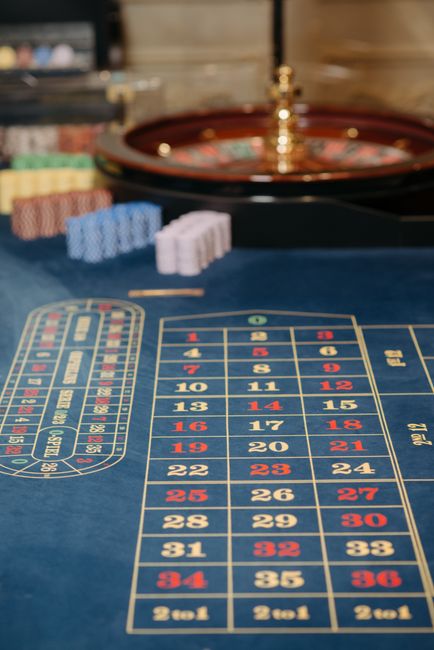
- European roulette: 2.7%
- American roulette: 5.26% (the second zero is a killer)
- Classic three-reel slots: often 3–6%
- Modern video slots with huge jackpots: sometimes north of 10%
- Keno and some scratch-style games: 15–35%
If you're deciding where to spend an evening, that spread matters more than any hot-streak gut feeling. Two hours at a 1% edge game versus a 10% edge game is a completely different financial experience, even if both feel equally "fun" in the moment.
The flip side is volatility. A game with a low house edge but high variance (think video poker variants or certain blackjack side bets) can still gut your bankroll fast. Edge tells you the long-run cost. Variance tells you how bumpy the ride is getting there.
Slots: Reading the Fine Print Nobody Reads
Slots are the economic engine of iGaming for a reason. They're simple, flashy, and available in absurd variety. But two slots with identical themes can have completely different economics.
The number you want is RTP — return to player. A 96% RTP slot returns 96 cents per dollar wagered over millions of spins. The remaining 4% is the house's cut. That sounds fine until you realize some slots are set at 92% or lower, and the difference compounds brutally over a session.
Where do you find RTP? Usually buried in the game's info screen or on the provider's website. Casinos don't always advertise it, because a lower RTP means a fatter margin for them. A few practical habits worth building:
- Check RTP before you commit to a slot. Anything below 94% is a hard sell unless the entertainment value is exceptional.
- Understand volatility. Low-volatility slots pay small amounts often. High-volatility slots pay rarely but potentially huge. Your bankroll should match the style.
- Ignore "due for a win" thinking. Each spin is independent. A slot that hasn't paid in 500 spins is not warming up.
- Use free demo modes to test a game's feel before risking real money.
One more thing: bonus features are usually where the real payout potential lives. Base-game hits keep you alive; the free spins round or hold-and-win mechanic is often where the math is actually designed to deliver.
Poker Is the One Game You Can Genuinely Beat
Here's the uncomfortable truth about casino games: you're playing against the math, and the math always wins eventually. Poker is different. In poker, you're playing against other people, and the house just takes a rake.
That means a skilled player can have a positive expected value over time. Not guaranteed, but possible. The rake — typically 5% of the pot capped at a few dollars in cash games, or a tournament fee — is the tax you pay for the privilege.
What separates winning poker players from the rest?
- Position awareness. Acting last gives you information. It's the single most underrated edge for beginners.
- Bankroll management. You don't buy into a $5/$10 game with $200. Standard guidance is 20–30 buy-ins for cash games, 50–100 for tournaments.
- Range thinking over hand reading. Stop asking "what does he have?" and start asking "what's his entire range here, and how does my hand fare against it?"
- Emotional control. Tilt costs more money than bad luck ever will.
Online poker also gives you tools that live poker never could: HUDs (where permitted), hand history review, and volume. Play 10,000 hands online and patterns in your leaks become obvious. Play 10,000 hands live and you've spent a year doing it.
Sports Betting: Where the Sharp Money Lives
Betting markets are efficient — mostly. That's the challenge and the opportunity. Sportsbooks set lines using sophisticated models, then adjust them based on where money flows. The closing line is usually very close to the true probability.
So how do sharp bettors survive? A few angles:
- Line shopping. The difference between -110 and -105 on the same bet is a genuine edge over hundreds of wagers. Having accounts at multiple books isn't optional for serious bettors; it's fundamental.
- Specializing. Nobody beats every market. Pick a niche — a specific league, a specific prop type, a specific division — and know it deeper than the market does.
- Tracking closing line value (CLV). If you consistently beat the closing line, you're likely a long-term winner regardless of short-term results.
- Respecting the vig. Standard -110 pricing means you need to win 52.4% of bets just to break even. That's a real bar.
The Bankroll Discipline That Ties It All Together
Whatever game you play, bankroll management is the skill that keeps you in the game long enough for your edge — if you have one — to show up. Treat your iGaming bankroll as money you've already decided is expendable, and size your bets so a normal downswing doesn't wipe you out.
A common framework: never risk more than 1–2% of your total bankroll on a single slot session or sports bet, and 2–5% per poker buy-in. If you're on a losing streak, those percentages shrink automatically because your bankroll shrank. That's the system working.
Chasing losses is the fastest path to ruin, and it happens in every vertical — slots, roulette, poker, parlays. The players who last are the ones who can walk away from a bad night without trying to win it all back in one spin.
The Honest Takeaway
iGaming isn't rigged, but it is designed — carefully, mathematically, and profitably for the operator. That doesn't mean you can't enjoy it or even come out ahead in skill-based formats like poker and smart sports betting. It means the players who do well are the ones who understand the mechanics instead of fighting them.
Learn the RTP before you spin. Learn position before you raise. Shop the line before you bet. And size your wagers like someone who plans to still be playing next month. That's the difference between gambling and playing with a plan — and over a few hundred sessions, it's the difference that shows up in your balance.
Related Articles