Stays
Dog-Friendly Coastal Stays: Checklist for Finding a Truly Welcoming UK Seaside Let
Search for a dog-friendly cottage on the UK coast and you will find thousands of results. Turn up, though, and the welcome can be thin: a laminated list of rules, a strip of gravel described as a garden, and a beach your dog is not allowed on until October. The difference between a let that tolerates dogs and one that genuinely welcomes them comes down to a handful of details — almost all of which you can check before you pay a deposit.
What "Dog-Friendly" Really Means in a Listing
Owners use the phrase loosely. "Dogs welcome" might mean one small, quiet dog, or three muddy Labradors and a wet spaniel. Look for specifics in the listing text: how many dogs, any size limits, whether dogs are allowed upstairs or on the beds, and whether they can be left alone in the property while you go out for dinner. If the only detail is "well-behaved dogs only", that is not a policy — it is a hope. Email and ask.
Pet fees are worth comparing properly. Some owners charge per dog per stay, some per night, and some ask for a larger refundable deposit instead. Two cottages can look identically priced until you add the dog. And do not turn up with an undeclared second dog: it is the quickest way to sour a good relationship and lose a deposit you would rather have back.
It also pays to read an advert for what it does not say. A listing that mentions a dog bed, bowls, a towel by the door and an outside tap is usually written by someone who has hosted dogs before and has thought about how the week actually works. A listing that says only "no pets on the furniture" tells you the owner is anxious, which is a different thing entirely. Neither is unreasonable, but only one of them will feel like a holiday.
The Garden Test: Enclosed Means Enclosed
"Enclosed garden" is often the phrase that separates a genuinely relaxed week from seven days of lead-walking around the yard. Ask for a photograph of the boundary rather than the view from the patio. What you want to see is fencing or walling with no gaps underneath, a gate that latches and stays shut in a wind, and nothing on the other side that a dog would bolt towards: a lane, a caravan park, a coast path, a field of sheep.
Coastal gardens have their own quirks. Salt air loosens hinges and lifts gates. Decking and balconies are common in seaside flats and are rarely secure. A shared garden means your dog stays on a lead whenever you are out there — manageable if you know in advance, miserable if you do not. If the let sits on a farm or a smallholding, ask where dogs can be exercised off the lead; the honest answer is sometimes nowhere.
Height matters as much as gaps. A three-foot wall keeps a terrier in and lets a greyhound step over it. Low hedges thin out in winter and are no barrier at all by February. And if the garden backs onto open ground, ask whether livestock graze nearby and at what time of year — a field of ewes with lambs in April is not the place to test a recall.
Beach Rules Change From Beach to Beach
Many UK councils restrict dogs on some of their beaches for part of the year, usually from spring until the end of September, and the rules can differ between two beaches in the same county. Do not assume the sand at the end of the road is open to dogs in August. Check the council's website for that specific beach before you book, then read the signs at the access point when you arrive — seasonal zones are sometimes marked on the beach itself rather than at the car park.
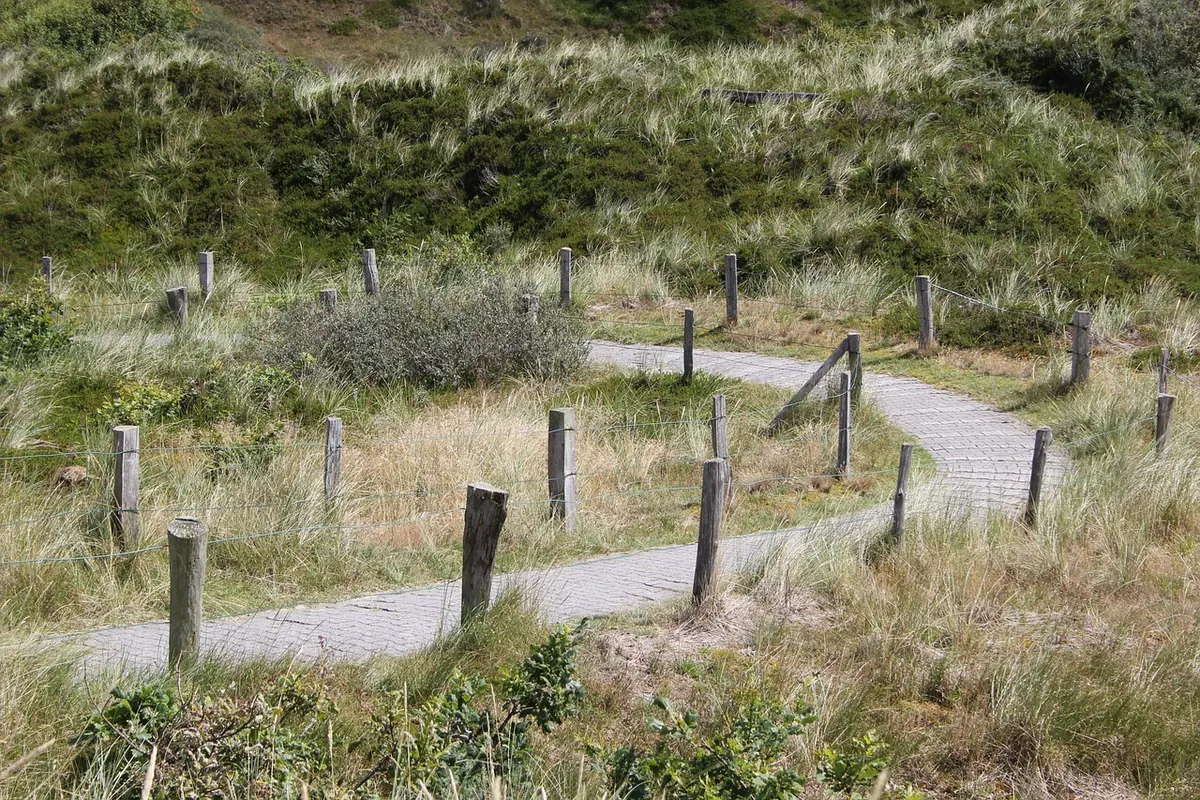
Tide times matter more than they look: a beach that stretches for half a mile at low water can be against the wall by mid-afternoon. Dune systems and shingle ridges are also fragile, often fenced off in spring and summer for ground-nesting birds. A dog running loose through a roped-off nesting area will upset more than the birds.
Beyond the sand
Clifftop paths, nature reserves and most National Trust land ask for dogs on leads, for livestock as much as for wildlife. A long line gives your dog more freedom than a short lead and keeps you on the right side of everyone you meet. Take more bags than a normal walk requires, and assume the only bin is the one in the car park.
Pubs and Cafés: Ask About the Room, Not the Sign
A "dogs welcome" sign on the door can mean almost anything. Ring ahead and ask two questions: which rooms can the dog come into, and where is food served? Plenty of pubs take dogs in the bar but keep the dining room dog-free, and some will only seat you outside — pleasant in July, less so in a February wind off the sea. Ask whether you need to book, because the table by the fire that accepts dogs is usually the first to go on a Saturday night.
Cafés are often more flexible than pubs, but they are smaller. A dog that settles quietly under a table is welcome almost anywhere; a dog that barks at every passing tray will not be, however kind the staff. If you are travelling with a nervous or reactive dog, look for places with outdoor seating and room to sit away from the door.
"We love dogs, but we ask that they stay off the beds and are not left alone in the cottage." That is a clear, honest house rule — exactly the sort of sentence that belongs in the listing rather than in the welcome folder on the kitchen table.
Floors, Stairs and the Small Print
Carpet throughout is the detail that turns a relaxed week into a nervous one. Hard floors, rugs that can be moved, and leather or washable covers all signal that the owner expects a bit of sand and damp fur. Ask what the flooring is in the main rooms, and whether there is a stairgate — useful both for keeping a wet dog downstairs and for keeping an older dog off steep cottage stairs, which are often narrow, winding and polished.
Check the layout carefully. A first-floor flat with an external metal staircase is hard work for a large or elderly dog. A property on a steep coastal lane means lead walks up and down a hill several times a day. None of this is a deal-breaker; it is simply better to know before you arrive than to discover it at dusk with a tired dog and a suitcase.
Read the terms about leaving dogs alone, too. Many owners allow it; some insist that dogs are never left unattended; a few ask you to use a crate. Whatever the rule, it should be stated in writing before you book, not sprung on you at the handover.
Questions to Ask Before You Pay the Deposit
A short email with these questions will tell you more about a let than any gallery of photographs:
- How many dogs are allowed, and is there any size or breed restriction?
- Is the garden fully enclosed, and can you send a photo of the boundary?
- Are dogs allowed on the furniture, on the beds, and upstairs?
- Can the dog be left alone in the property, and for how long?
- Is there hard flooring in the main rooms, and a hose or tap outside?
- Are the nearest beaches open to dogs all year, or are there seasonal bans?
- Where are the closest off-lead walks, and is there livestock nearby?
- Which pubs and cafés nearby take dogs inside, not just in the garden?
- Is there a vet within reasonable distance in an emergency?
- What exactly does the pet fee or deposit cover, and what would be deducted?
A quick check on arrival
Before you unpack, walk the boundary yourself, try the gate latch, and find the bins and the outside tap. It takes five minutes, and it is the difference between a week spent relaxing and a week spent watching the gap under the hedge.
None of this requires a let to be luxurious or expensive. It requires an owner who has thought about what it is like to arrive with a wet, sandy, tired dog and no idea where anything is. Ask the questions, get the answers in writing, and the coast — and the cottage — will be a great deal more enjoyable for both of you.
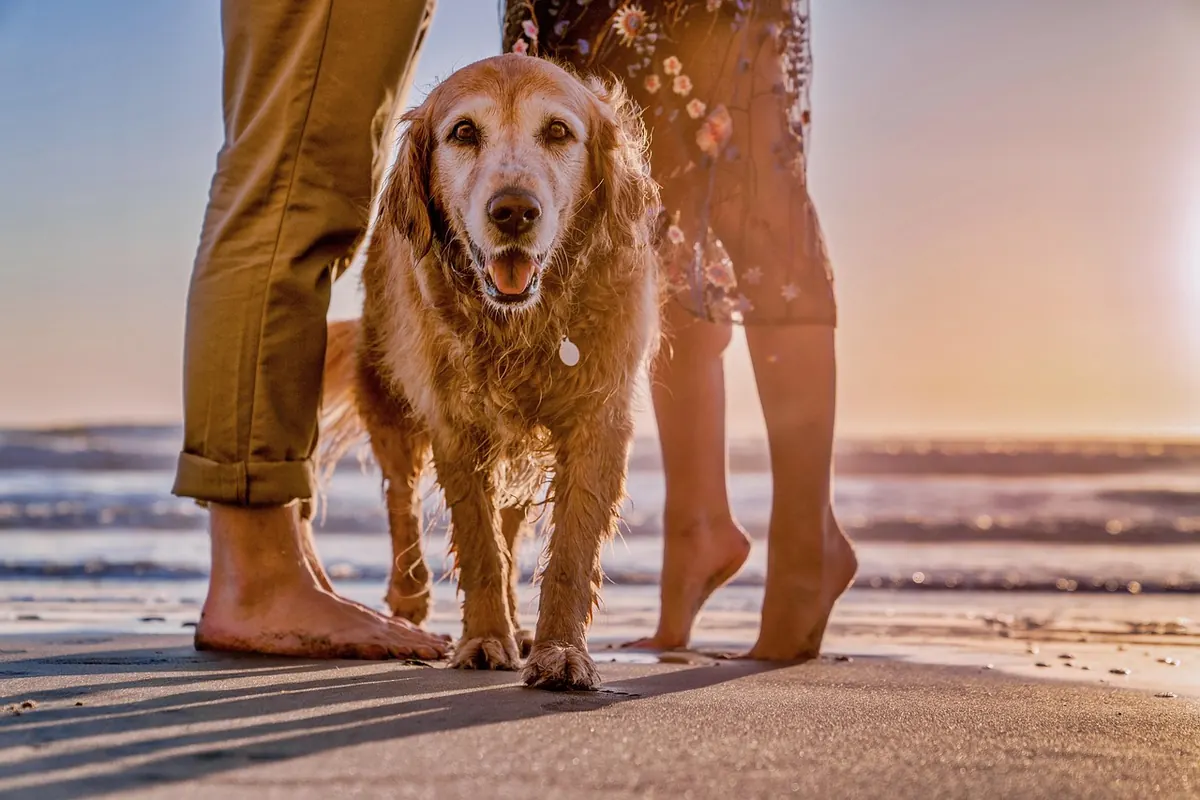
Photo: JenRegnier / Pixabay
Related Articles