Stays
Caravan vs Glamping Pod vs Shepherd's Hut: Which UK Coastal Stay Suits You?
Choosing where to sleep on a British coast has less to do with the photograph than with the weather you meet when you open the door. A caravan, a glamping pod and a shepherd's hut can look equally charming in a listing shot on a still July evening. In a March gale, with wet boots and a damp dog, they behave very differently. What follows is a plain comparison of the three, so you can pick the one that fits the trip you're actually taking.
The three options, in plain terms
A static caravan is a holiday home on a pitch: separate bedrooms, a sitting area, a proper kitchen, and usually a clubhouse, shop or pool somewhere on the park. A touring caravan or motorhome is your own unit, pitched where you choose. Both give you walls, heating and a door you can lock.
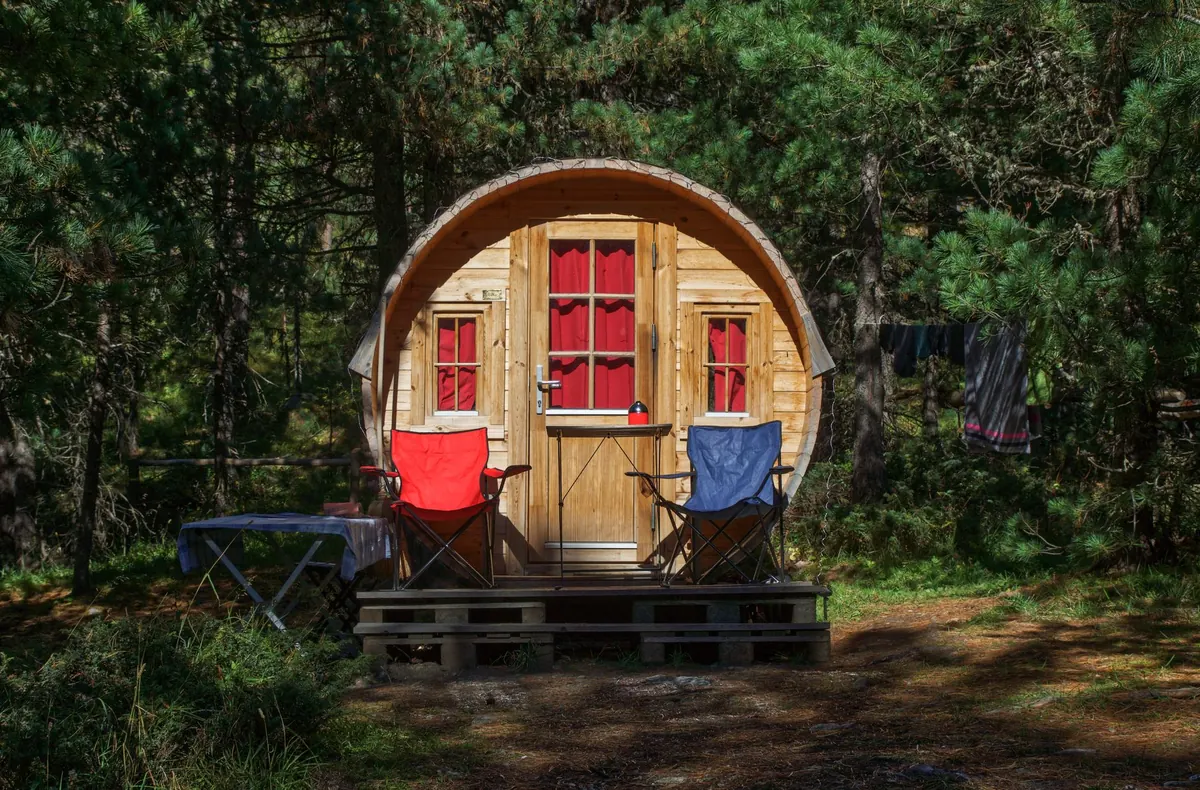
A glamping pod is a small insulated timber cabin. Some are a single room with beds, a kettle and a socket; others have an en-suite shower and a kitchenette. Most come with a deck and somewhere to sit out of the wind.
A shepherd's hut is a compact hut on wheels, traditionally corrugated, often with a curved roof and a wood burner. Modern versions are warm and well finished, but they are small — usually one room with the bed at one end and a two-ring hob at the other.
All three put a roof over your head near the sea. None of them is a hotel, and that is usually the point.
Cost: what you're really paying for
Static caravans are often the best value per person if you fill the beds. The weekly price looks steep beside a pod, but divide it by four or six people and it frequently comes out cheapest — provided you use the space rather than treating it as a base for sleeping only.
Pod prices sit in the middle and climb quickly for en-suite bathrooms, hot tubs, sea views and school holidays. Shepherd's huts are often the most expensive per square metre, because you're paying for character, a wood burner and a small, quiet site. Two nights in a hut can cost more than a week in a caravan in the same county.
Watch for the extras that change the sums:
- Entertainment or activity passes on holiday parks, charged per person
- Electricity metered on some touring pitches, or billed as a utility charge
- Dog fees, often per dog per night
- Bedding and towels, included in some pods and huts and not others
- Minimum stays — two or three nights at weekends, longer in peak weeks
- Cleaning charges on self-catering lets
Prices move year to year and vary by region, so compare for your exact dates rather than trusting a general figure. Booking direct with a small site is usually easier and often cheaper, and you can ask the questions that matter.
Comfort and space
Space is where the three diverge most. A static caravan sleeps six without anyone sleeping in the living room, and it has a table you can eat at, a sofa you can slouch on and a door you can close on a snoring relative. For a family, a group of friends or a week of mixed weather, that matters more than any styling.
A touring caravan is tighter. Beds are often made up each evening, storage is clever but finite, and condensation is a real feature of autumn trips. A pod gives you one room and a bed, sometimes fixed along a wall with a low ceiling above it — worth checking if anyone in your party is tall. A shepherd's hut gives you the same footprint with more atmosphere: a wood burner, a proper bed, and no separate sitting area to retreat to.
Think about where wet coats, sandy shoes and a wetsuit will go. A covered porch or a boot tray sounds trivial until you're sharing a single room with three damp waterproofs.
Facilities: kitchens, showers and drying space
Ask three questions before you book any of them: is the bathroom en-suite, what cooking equipment is provided, and how far is the nearest shower block?
Caravans have an oven, hob, fridge and sink. Pods vary enormously — some have a microwave and a kettle, others a full kitchenette. Shepherd's huts usually manage a two-ring hob, a small fridge and a sink, which is enough for pasta and a cooked breakfast but not a roast. If you plan to eat in most nights, check the inventory rather than assuming.
Shared facilities are fine in summer and less appealing in February at 6am, especially if the block is a two-minute walk across an exposed field. On the coast, a drying room or a heated boot cupboard is worth more than a hot tub.
Weather resilience
Coastal weather is the deciding factor for many people. Sea fret, salt air, sudden squalls and wind that arrives sideways are all normal, and the difference between a good week and a miserable one is often how well your accommodation handles a wet Tuesday.
A caravan is warm and dry, but thin walls mean wind noise, and an awning in a gale becomes a wrestling match you will lose. Pods are solid and insulated, heat up within minutes and stay quiet, though the decking turns slippery and the door usually faces the weather. Shepherd's huts are gloriously cosy with the stove lit, but you will be feeding it through a cold night, and older huts can be draughty around the door and floor.
A practical tip: look at how the site is laid out before booking. A pitch tucked into a valley or behind a hedge feels very different from one on an exposed headland, even five minutes apart. Site photographs taken in winter tell you more than summer ones.
Matching the stay to the trip
- Family with young children, a full week, want a pool and a shop: a static caravan on a park. The space and the on-site facilities do the heavy lifting.
- Couple, two or three nights, walking the coast path: an en-suite pod. Quick to dry out, easy to heat, no fuss.
- Anniversary or a quiet winter break, dark skies, happy to be snug: a shepherd's hut with a wood burner.
- Moving between several bays in one trip: a touring pitch, or a motorhome if you'd rather not tow.
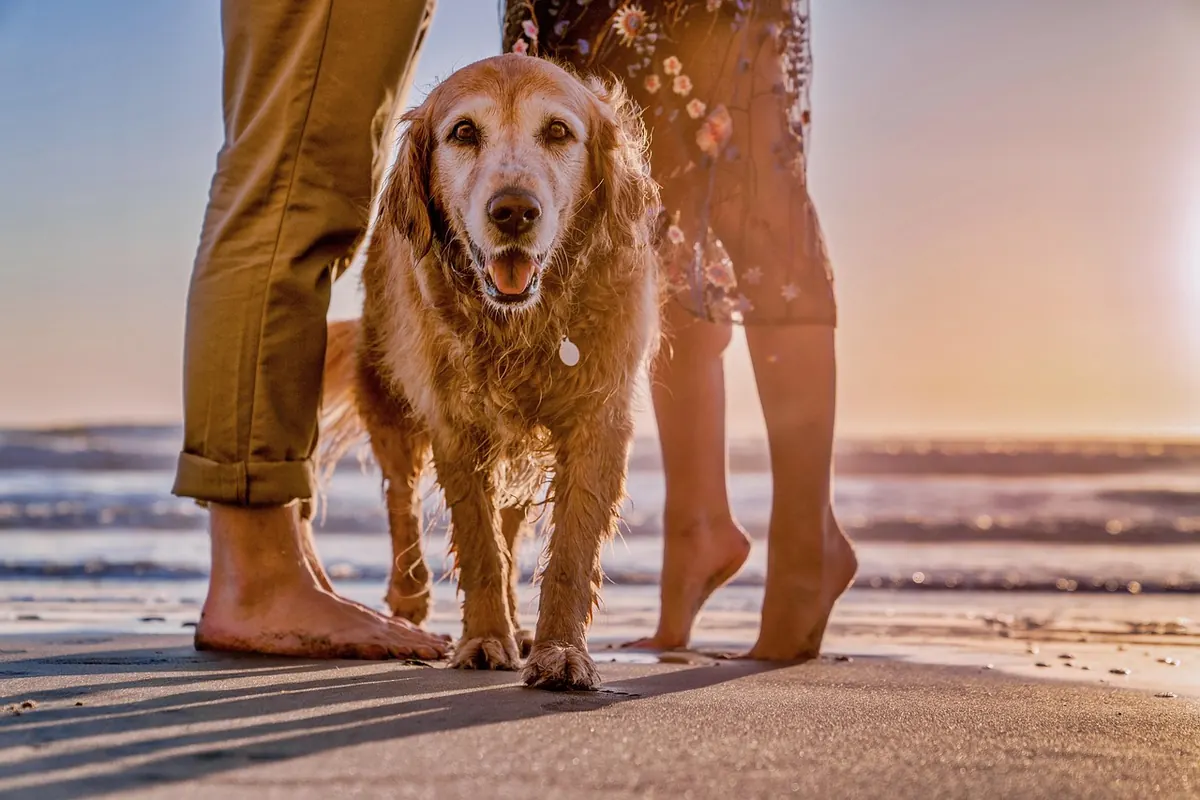
- Travelling with a dog: check the policy and the outdoor space. A fenced deck beats an open field beside a busy coast road.
Before you book
Read the listing for what isn't there as much as what is: the distance to the loo block, whether towels are included, whether the stove is wood or electric, what time you can arrive, and whether the site's bar or shop closes out of season. Small rural sites often shut facilities between November and Easter, even when the huts stay open.
Ask about the pitch position, the walk to the beach and the state of the path in wet weather. Confirm the dog policy in writing rather than assuming. If a deposit is a meaningful sum for you, read the cancellation terms before you pay, and consider travel insurance for longer coastal trips. Then pack for the weather you're likely to get rather than the one on the booking page — a waterproof, warm layers and decent boots will do more for your week than any upgrade.
Related Articles