Stays
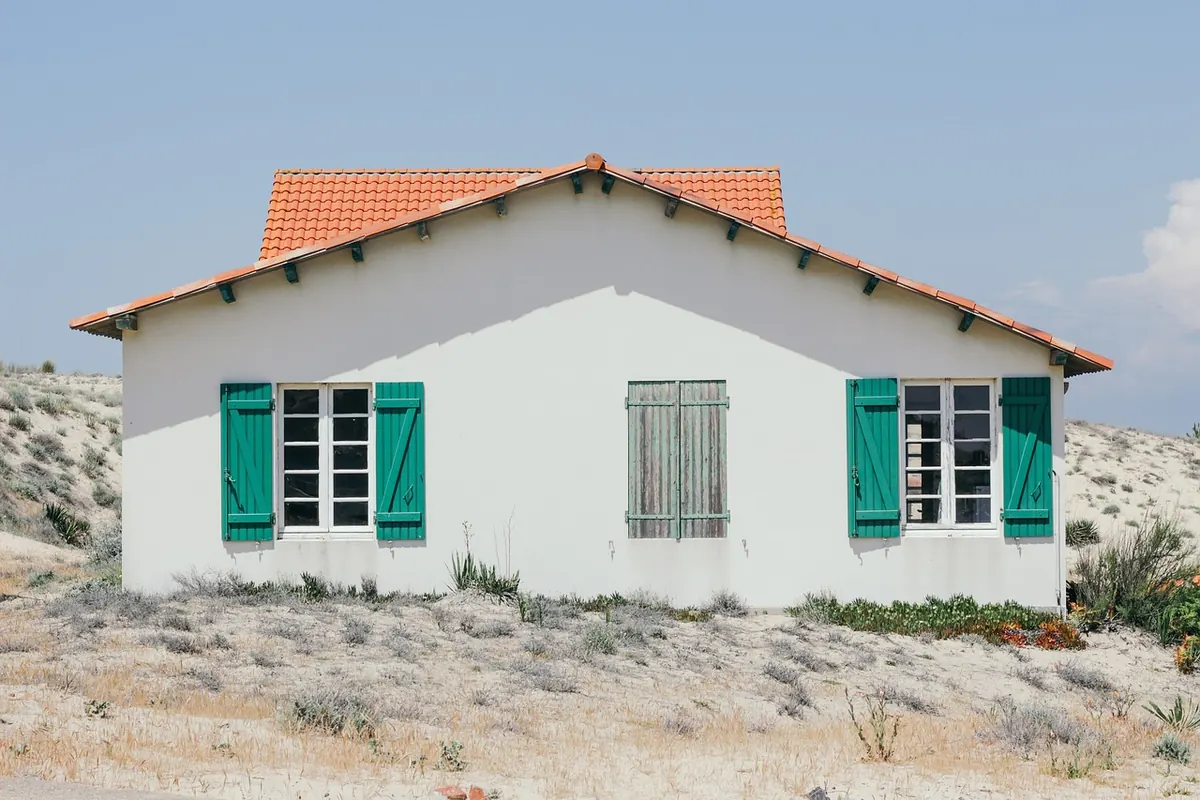
Common Mistakes to Avoid When Booking a Last-Minute Coastal Cottage in the UK
Booked on Thursday, by the sea on Friday. A last-minute coastal cottage is one of the quiet pleasures of British travel: owners drop the price to fill a gap in the calendar, you get a lane with no traffic and the sound of gulls, and nobody has to wrestle with summer queues. The catch is that speed encourages skipping. Booking two days out, it is tempting to flick through the photos, tap through the checkout and hope. Ten minutes of checking saves a week of irritation.
The headline price is rarely what you pay
Cottage listings are built to show an attractive nightly figure. The final total often includes several extras that only appear once you reach the checkout page, or that arrive by email after you have paid a deposit. None of these are dishonest in themselves, but they change the maths considerably.
- Cleaning fees, which can be a flat charge regardless of how long you stay
- Booking or service fees charged by the platform
- Per-pet charges, sometimes per pet per night
- Security or damage deposits, and how long they take to be returned
- Fuel or utility supplements on top of the rent
- Charges for travel cots, high chairs or extra linen
- A fee for arriving after a certain hour, or for collecting keys from elsewhere
Before you compare two cottages, take both to the final payment screen. Then ask the owner or agency for a written total covering everything, including any deposit. If the answer is vague, treat that as information about how the rest of the booking will go.
Cancellation terms and the bits people skim
Last-minute bookings usually mean non-refundable rates, because the owner has little chance of re-letting the dates. That is fair enough, but you should know exactly what you are giving up. Look for the cut-off date for the balance, the size of any admin fee, and whether the deposit is refundable at all.
Bad weather is almost never a valid reason to cancel, and coastal weather in February is not an emergency. Genuine reasons such as illness or a bereavement are sometimes covered, but only if you have bought suitable travel insurance, and even then the small print matters. If you are booking direct with an owner, ask in writing what happens if they have to cancel, and how quickly you would get your money back. Booking terms are a contract, so if a dispute turns serious, it is worth taking advice from Citizens Advice or a consumer organisation before you escalate.
Access, parking and the last mile
This is where coastal cottages differ most from town flats. A track that looks charming in a summer photograph can be a muddy, unlit, single-width lane in January. Ask specific questions rather than general ones:
- How wide and how steep is the access track, and what surface is it?
- Would an ordinary hatchback clear it, and is there anywhere to turn?
- Where exactly do you park, and is there space for a second car?
- Is the entrance lit, and where is the key safe?
- Is there a river crossing, ford, tidal road or causeway on the route?
If you are arriving after dark in winter, ask for a map pin or a grid reference rather than a postcode, because rural postcodes can cover a surprising amount of ground. Photograph the key safe instructions before you lose signal.
Off-season heating and what "included" really means
An old stone cottage in November is lovely until you realise the only heat is a night storage heater and an open fire with no logs. Heating costs are rarely the reason a holiday goes wrong, but they can add a noticeable sum to a week's stay, particularly if the cottage is metered and you pay for what you use.
Ask whether heating and hot water are included, whether there is a cap on usage, and how the cottage is heated. Oil-fired central heating, an air source heat pump and a wood burner with a stocked log store are all quite different propositions from a pair of electric radiators. Also ask how quickly hot water arrives, whether there is anywhere to dry wet coats and boots, and whether the property has any known damp or condensation problem. If anyone in your party is affected by cold or damp, check this before booking rather than after. The same applies to leaving the heating on to protect pipes—some owners ask guests to do this in freezing weather, so know what is expected.
Ask what the heating costs in a typical winter week. An owner who can answer that question is usually an owner who maintains the place.
Photos, distances and the reality gap
Wide-angle lenses are standard in property photography, and drone shots can make a car park look like a meadow. "Five minutes from the beach" may mean five minutes as the crow flies across a field with no footpath. A sea view is sometimes a narrow slice of grey between two roofs.
Check the satellite view and, where it exists, street view. Read the lowest-rated reviews first; they tell you more than the glowing ones. Note the dates of recent reviews, since a place can change hands or decline. If you plan to eat out, check that the village pub opens in winter, and if you need to work, ask about broadband speed and mobile coverage—rural coastal signal is patchy, and "Wi-Fi available" can mean one slow router in the hall.
Booking direct or through a platform
Booking direct with an owner can be cheaper and more flexible, and you can ask questions directly. A platform or agency usually offers more protection if something goes wrong, plus a documented payment trail and a dispute process. Neither route is automatically safer than the other.
Pay by credit or debit card where you can, since card payments offer more recourse than a bank transfer. Never send a bank transfer to an individual you have not verified, however convincing the listing looks, and be wary of anyone who pressures you to pay quickly to secure a last-minute deal. If a booking is made in a hurry, keep every message and confirmation email in one folder until you are home.
A five-minute checklist before you pay
- Take the booking to the final payment page and note the true total.
- Read the cancellation policy in full, including cut-off dates and fees.
- Confirm access, parking, arrival time and key collection in writing.
- Ask what heating is included and whether there is a usage cap.
- Check the location on a map, not just the photographs.
- Save the owner's phone number somewhere that works without signal.
Last-minute coastal cottages reward the traveller who asks three good questions. You do not need to be suspicious of every listing, just specific about the things that would spoil the week: the total cost, the escape route if plans change, how you get in after dark, and how warm the place will be when the wind turns.
Photo: StockSnap / Pixabay
Related Articles